
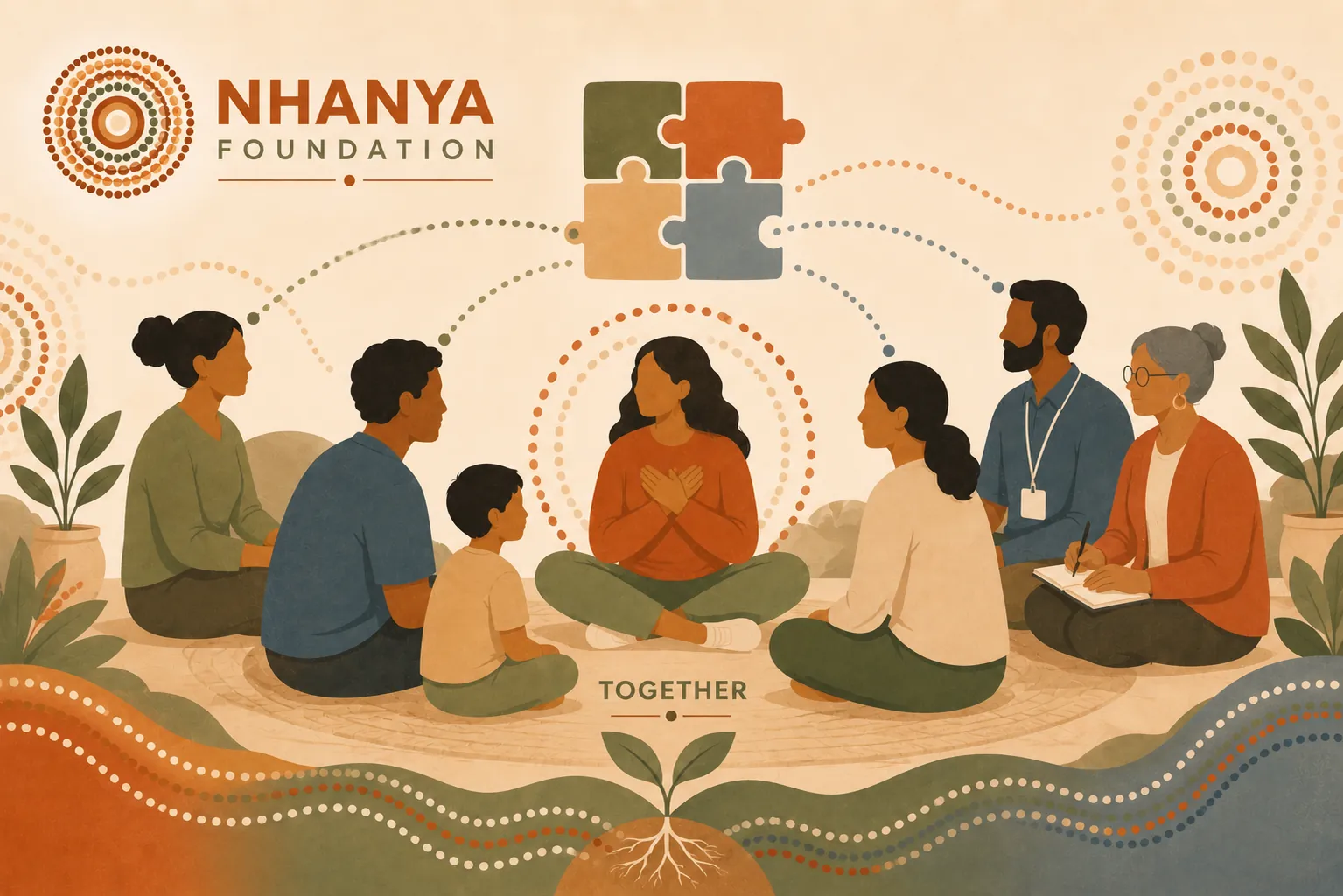
When a child is having a hard time, it rarely comes with a clear explanation attached. What we usually see instead is behaviour: withdrawal, meltdowns, refusal, clinginess, or acting out. One of the most useful shifts a parent or carer can make is to treat that behaviour as information rather than as a problem to shut down.
Why behaviour shows up before words do
Children, especially younger ones, often do not yet have the language or the self-awareness to say "I feel overwhelmed" or "I am scared of getting this wrong." Their nervous system reacts first, and the behaviour we see is usually the most visible part of something bigger going on underneath: tiredness, hunger, sensory overload, a change in routine, worry about school, or something happening at home.
Common needs behind common behaviours
- Big emotional outbursts often signal that a child has reached the limit of what they can manage in that moment, not that they are being deliberately difficult.
- Withdrawal or going quiet can be a child's way of coping with something that feels unsafe or too big to talk about yet.
- Repeated refusal (of an activity, a place, a person) often points to anxiety or a bad experience the child has not been able to explain.
- Seeking constant attention can be a way of checking that connection and safety are still there.
Responding with curiosity
Instead of starting with "why did you do that," it can help to start with "what happened just before this." Naming what you observe ("you seem really frustrated right now") without judgement often does more to settle a child than an immediate consequence. This does not mean there are no boundaries, it means the boundary comes after the child feels heard, not instead of it.
This kind of everyday, relationship-based response is different from formal behaviour support, which is a specialised area with its own qualifications and safeguards. If a child's behaviour is frequent, intense, or putting themselves or others at risk, that is the point to involve a school wellbeing team, GP or qualified allied health professional rather than trying to manage it alone.
Where Nhanya Foundation fits in
Nhanya Foundation supports families and young people through practical, everyday programs, and can help connect you with appropriately qualified allied health and therapeutic supports where that is the right next step. If you are not sure where to start, contact us and we can talk through your situation.