
Australia's Family Law Act governs how parenting arrangements are decided when parents separate, and it has gone through meaningful reform in recent years. If your case predates the changes, or you are hearing conflicting information, it is worth understanding the shape of the current framework, even in general terms.
What the reforms were aiming to fix
Earlier versions of the Act included a legislative presumption around shared parental responsibility that many family violence advocates and legal professionals argued was being misapplied, sometimes pressuring victim-survivors of family violence into unsafe shared-care arrangements. Recent reforms simplified the framework, removing that presumption and refocusing decisions more directly on what is actually in a child's best interests in their specific circumstances.
What courts now focus on
Rather than starting from an assumption about how time should be shared, decisions are meant to be based on a considered list of factors relevant to the particular child and family, including their safety, their views (depending on age and maturity), and the capacity of each parent to meet their needs. Family violence, where relevant, is intended to be given clearer weight in this assessment.
What this means in practice
This is general information, not legal advice, and how these changes apply to any specific case depends on individual circumstances. If you are currently negotiating parenting arrangements, or have an existing order made under the earlier framework, a family lawyer or Legal Aid can advise on how the current law applies to you.
Where to get help
- Legal Aid in your state offers free or low-cost family law advice, particularly for family violence-affected matters
- The Family Relationship Advice Line (1800 050 321) provides free information on separation and parenting arrangements
- Community legal centres often have family law specialists who can advise on your specific situation
How Nhanya Foundation can help
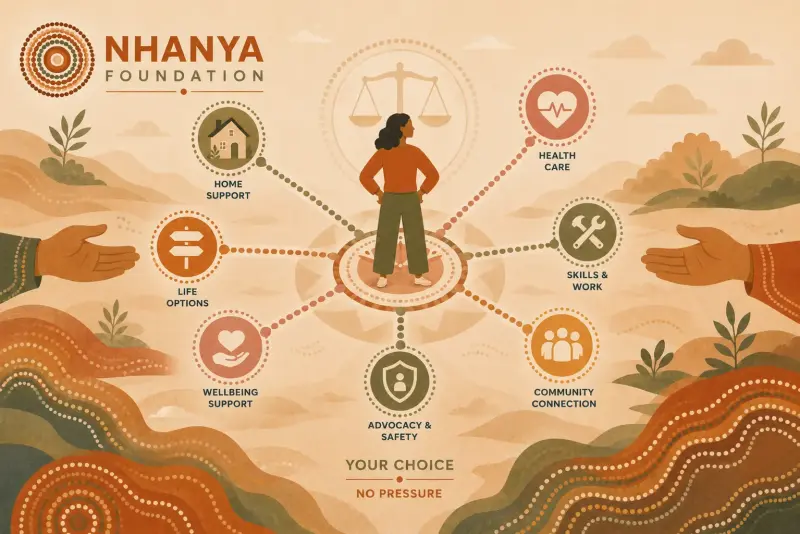
Nhanya Foundation is not a legal service, but we support families navigating separation with practical, everyday help and advocacy, and can help connect you with appropriate legal and family support services. If you would like to talk through your situation, contact us.